Gorgeous Yards: 12 Rustic Landscaping Ideas Using Mulch & Stone
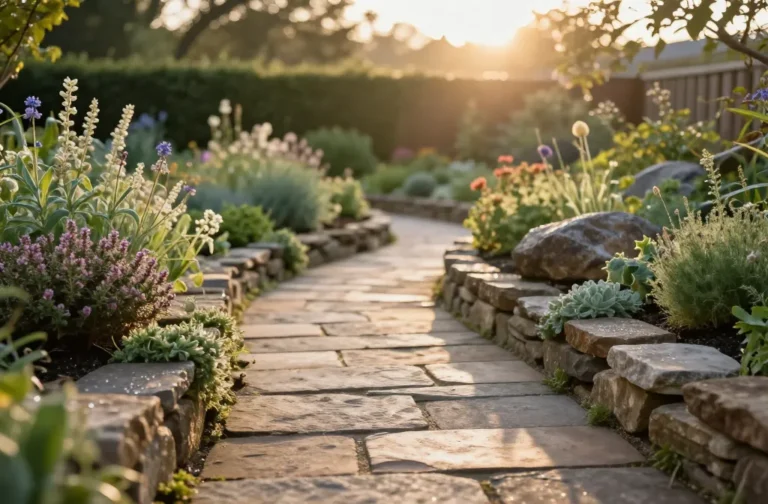
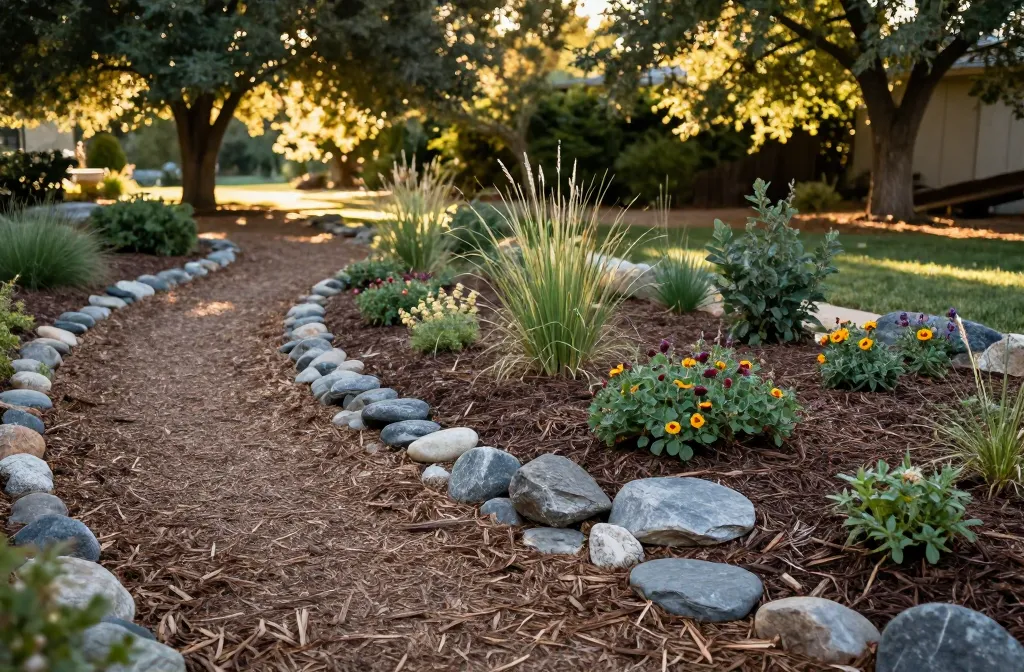
Want that cozy, cabin-in-the-woods feel without moving off-grid? These mulch-and-stone ideas deliver major charm with low maintenance and wallet-friendly materials. We’re talking rugged textures, earthy colors, and designs that look like nature styled your yard. Ready to make your landscape look intentional and outrageously good? Let’s dig in.
1. Define Meandering Paths With Stone Edging
Tired of snacking when you’re not even hungry? This reset helps you stop the loop and feel back in control.
A simple reset for moments when cravings take over. Easy to use, easy to repeat, and designed to help you feel satisfied instead of stuck.
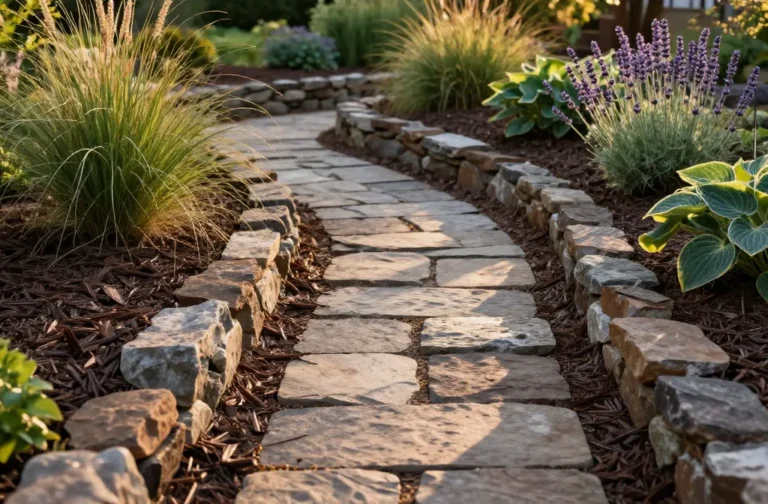
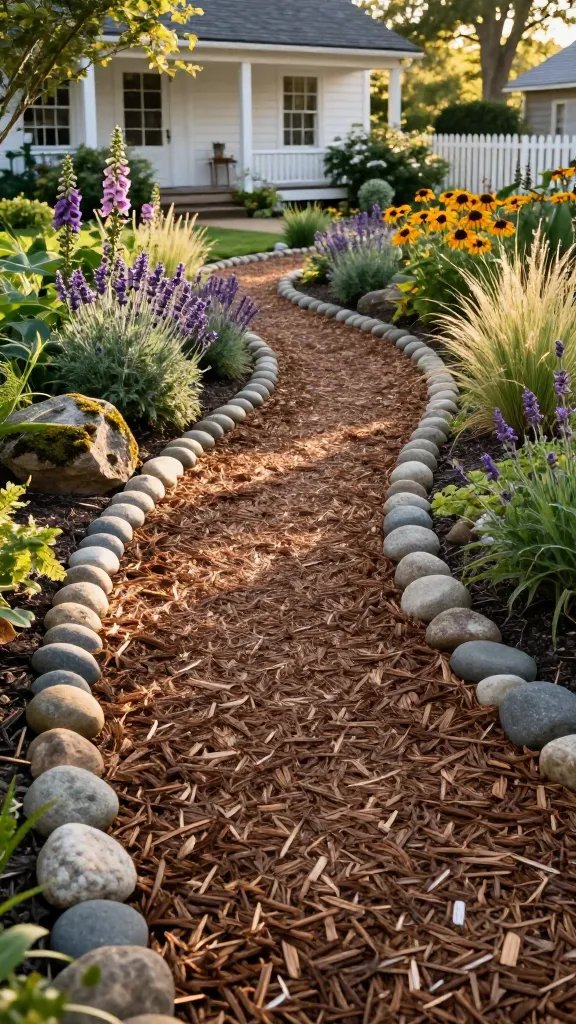
Curvy paths feel natural and invite people to explore. Line them with stone edging and pack the walking surface with mulch for a soft, woodland vibe that also keeps weeds in check.
Tips
- Use medium river stones or chopped limestone for a tidy edge.
- Lay landscape fabric under the path before mulching to block weeds.
- Keep curves gentle so wheelbarrows and strollers glide through.
Choose dark brown or cedar mulch for a rich contrast against gray stone. This idea shines in front yards and cottage gardens where you want a guided stroll, not a sprint.
2. Build a Mulch Island Bed With a Stone Halo
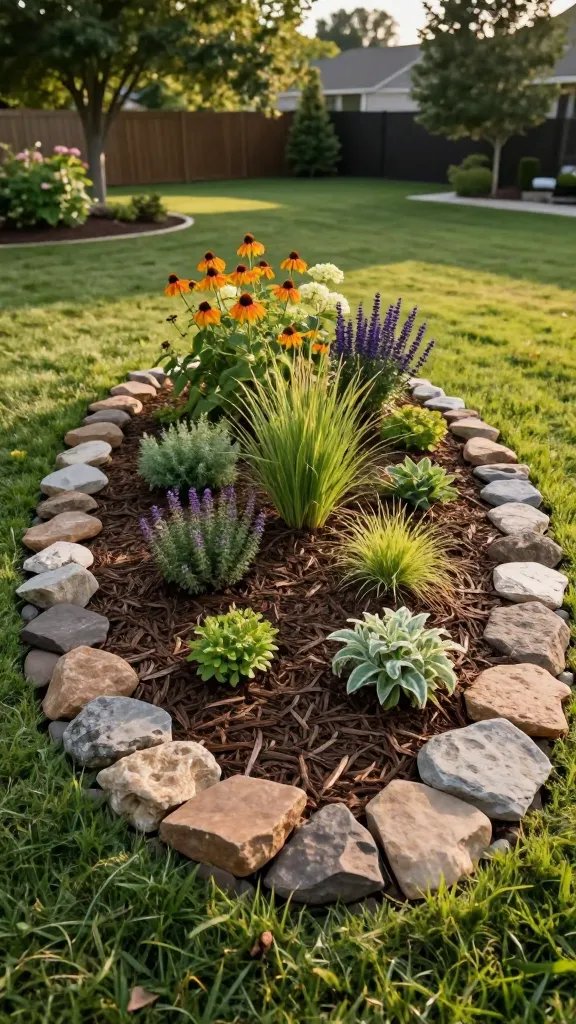
Island beds turn empty lawn into a focal point fast. A ring of stone keeps mulch in place and frames your plants like art.
Transform Your Home With 7,250+ Stunning Landscaping Designs—No Expensive Designers Needed!
- 🌿 Access 7,250+ stunning landscaping designs.
- 💰 Save thousands—no pro designer needed.
- 🏡 Plans for gardens, patios, walkways, and more.
- ✨ Simple, beginner-friendly DIY layouts.
- 🛠️ Customize any design to fit your yard.
Materials
- Fieldstone or stacked flat stones for a laid-back look
- Shredded hardwood mulch (holds well, breaks down slowly)
- Drought-tolerant perennials and small shrubs
Place taller plants in the center and spillers near the edge for dimension. This works everywhere—from boring corners to center-of-lawn hero spots—because it adds shape and texture with minimal fuss.
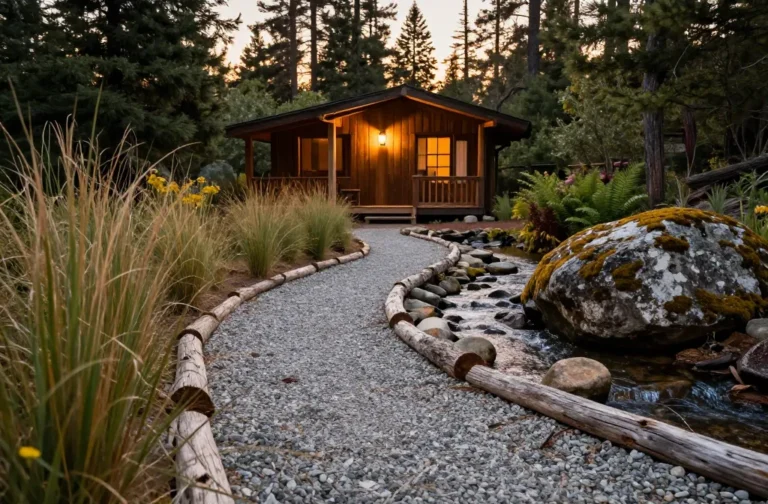
3. Create a Dry Creek Bed That Actually Drains
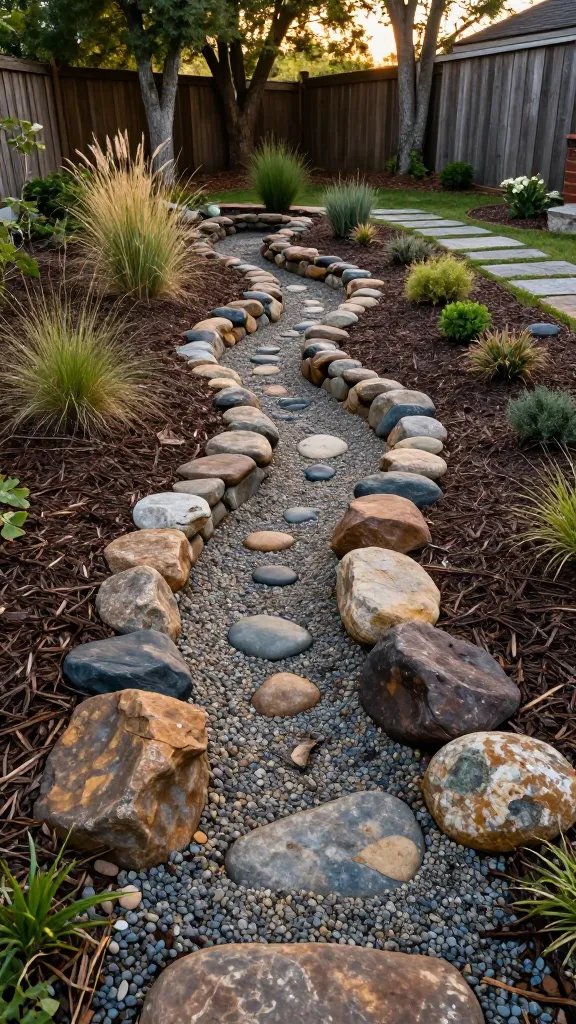
Dry creek beds look pretty and fight drainage issues. Use river rock and cobbles to “draw” a stream that meanders through mulch banks.
Key Points
- Start wide at the “source,” narrow through the “channel,” and flare at the “mouth.”
- Layer sizes: base gravel, mid-size river rock, then accent boulders.
- Tuck pockets of mulch and native grasses along the edges for a wild, lived-in look.
Bonus: This reduces erosion and gives your yard a story. Perfect for slopes or the spot where water always throws a party when it rains.
4. Mix Mulch Colors for Subtle Depth
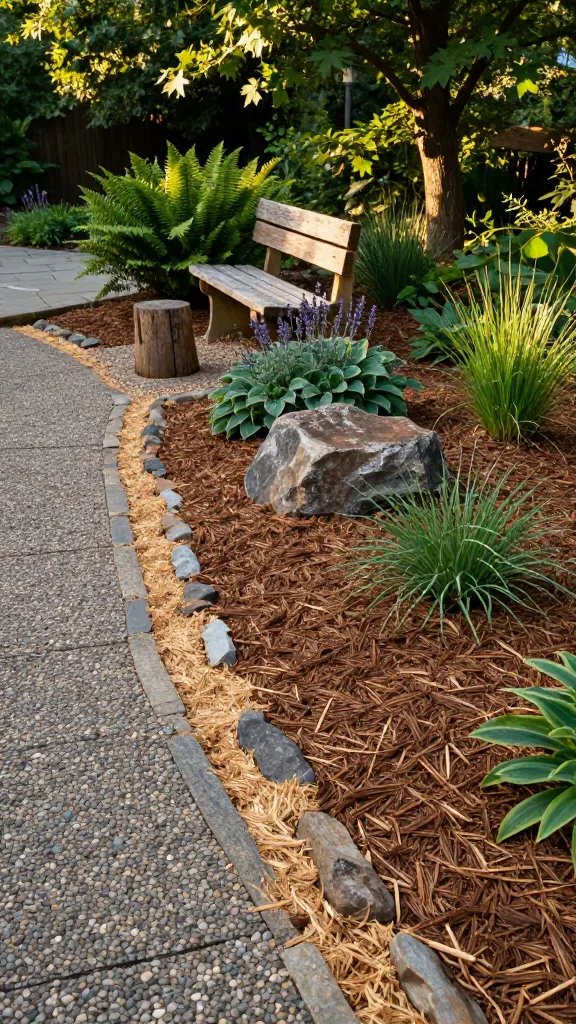
One mulch fits all? Hard pass. Blending tones adds instant dimension and looks more natural, like forest floor layers.
How-To
- Use a base of medium-brown hardwood.
- Sprinkle lighter cedar near paths and features for contrast.
- Avoid dyed mulch near patios—stains happen, FYI.
This trick makes small beds feel lush and large. It’s awesome around informal plantings and rustic seating areas where you want warmth without visual clutter.
5. Frame a Fire Pit With Stone and Mulch Zones
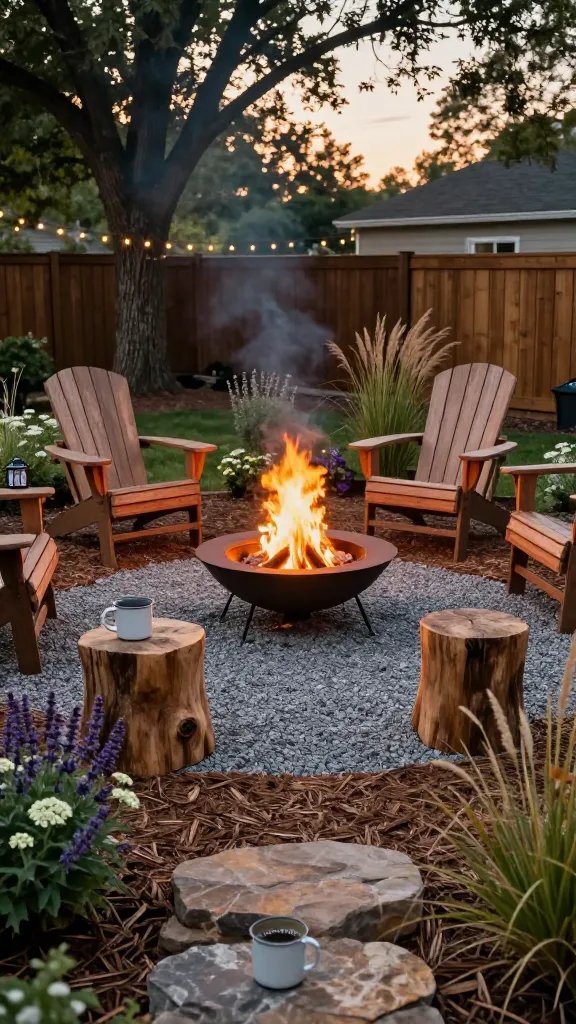
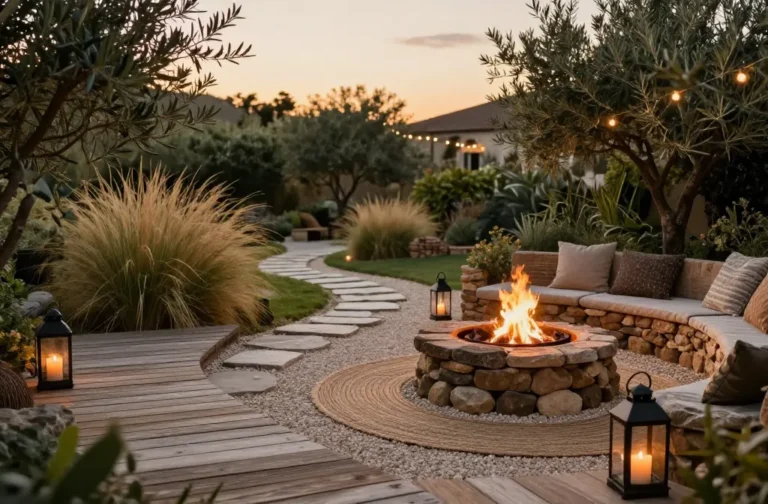
Fire pits love texture. Set the pit on a crushed stone pad for safety, then create a soft mulch ring for seating and plant pockets.
Layout Idea
- Inner circle: compacted decomposed granite or pea gravel.
- Outer circle: mulch with rugged Adirondack chairs or log stools.
- Accent: low boulders as side tables and heat-friendly perennials.
This setup screams campfire chic and keeps maintenance simple. Use it for entertaining nights and s’mores season (aka always).

6. Edge Vegetable Beds With Salvaged Stone
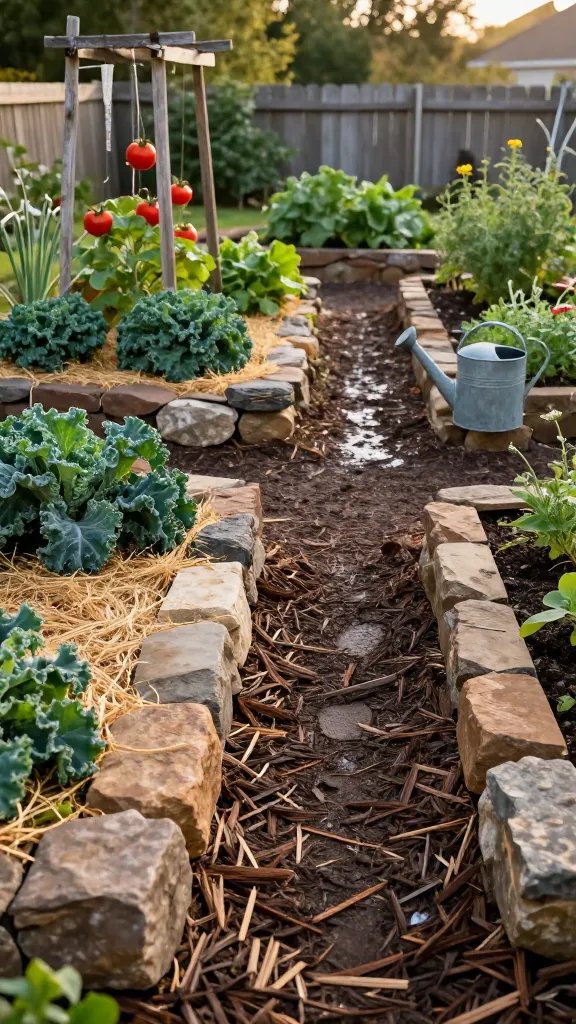
Who said veggie gardens can’t be cute? Stone edging creates clean lines, while mulch aisles keep mud and weeds out of your harvest.
Pro Moves
- Use cardboard under aisle mulch to block weeds longer.
- Pick rough, mismatched stones for that farmhouse vibe.
- Top beds with straw mulch; aisles get hardwood mulch.
You’ll get better drainage, tidier rows, and fewer dirty shoes. This works best for raised beds and potager-style gardens where form meets function.
7. Layer Boulders With Mulch for Instant Elevation
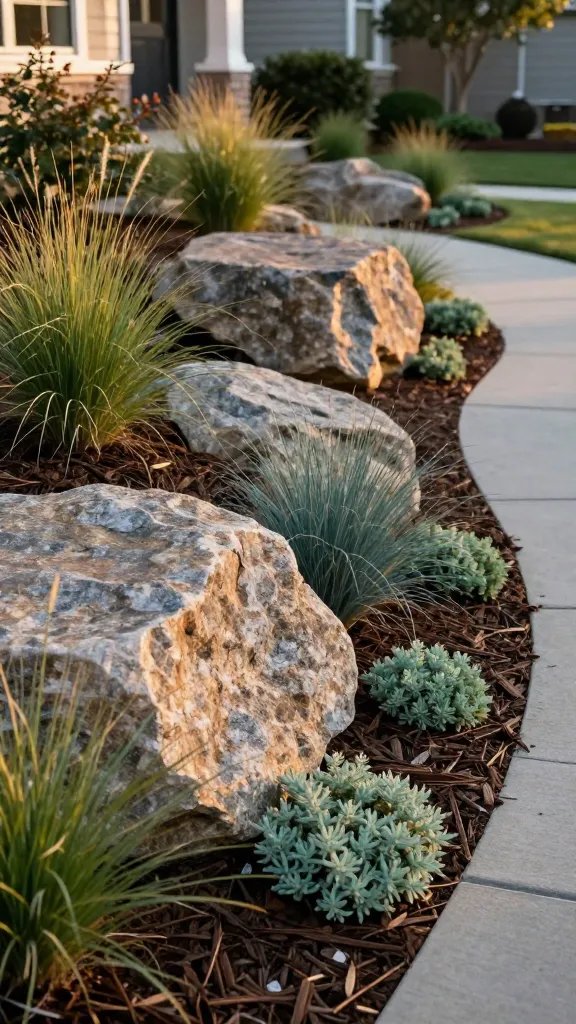
Boulders bring drama without screaming for attention. Nestle them into mulch beds so they look like they’ve been there forever.
Placement Tips
- Partially bury each boulder—about one-third—for a natural set.
- Use odd-number groupings and vary sizes.
- Plant tufted grasses or sedums at the base to soften edges.
This adds height, anchors the space, and makes every photo look editorial. Use it in front-yard beds or along pathways to create rhythm.
8. Build a Rustic Seating Nook With Stone Pavers and Mulch
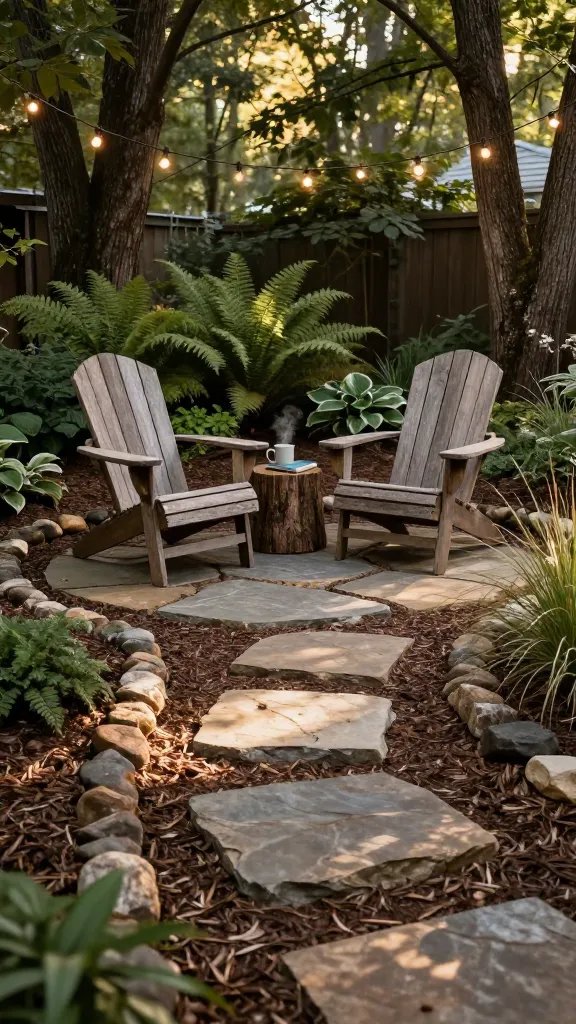
Carve out a little retreat for coffee, books, or plotting your next yard project. Lay irregular flagstone stepping pads over a mulch field for a casual, woodsy hideaway.
Materials
- Flagstone or natural slate for stepping pads
- Mulch base to cushion and unify the area
- Tree-stump side table and string lights (yes please)
It feels intimate and costs way less than a full patio. Great for smaller yards or that shady corner that needs a purpose, IMO.
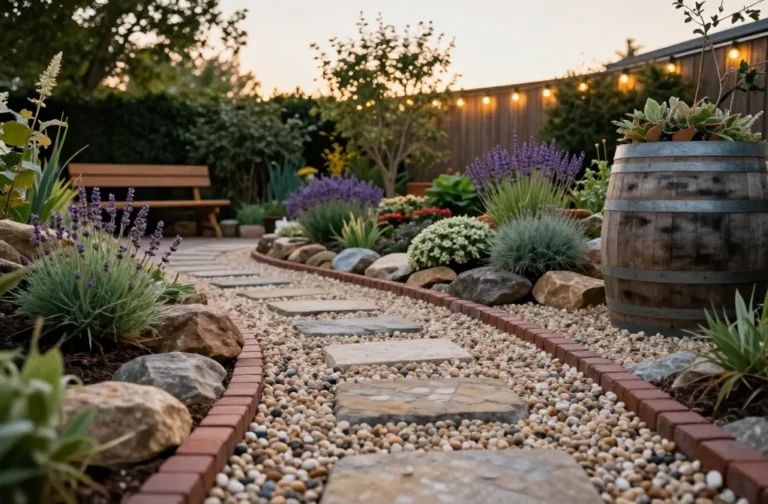
9. Combine Gravel, Stone, and Mulch for Textured Borders
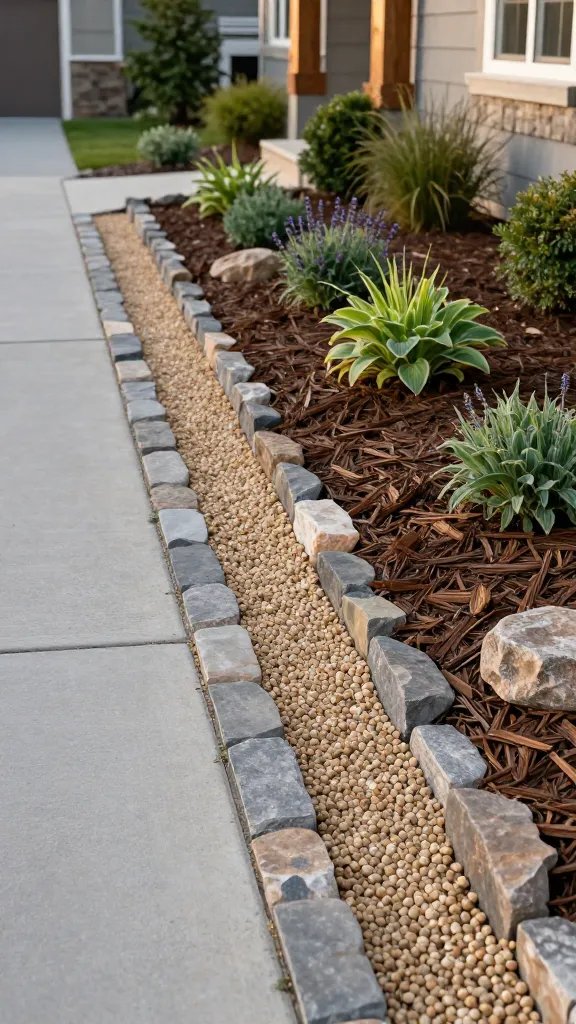
Why pick one when you can layer three? A narrow band of pea gravel between stone edging and mulch keeps things tidy and adds satisfying crunch underfoot.
Assembly
- Install stone edging first for a hard boundary.
- Pour a 4–6 inch strip of pea gravel inside the edge.
- Fill the bed with mulch so it sits slightly below the gravel line.
This prevents mulch spillover and looks designer-level. Ideal along driveways and walkways where you need durability and clean lines.
10. Tuck Woodland Plants Into Mulch Pockets Around Stones
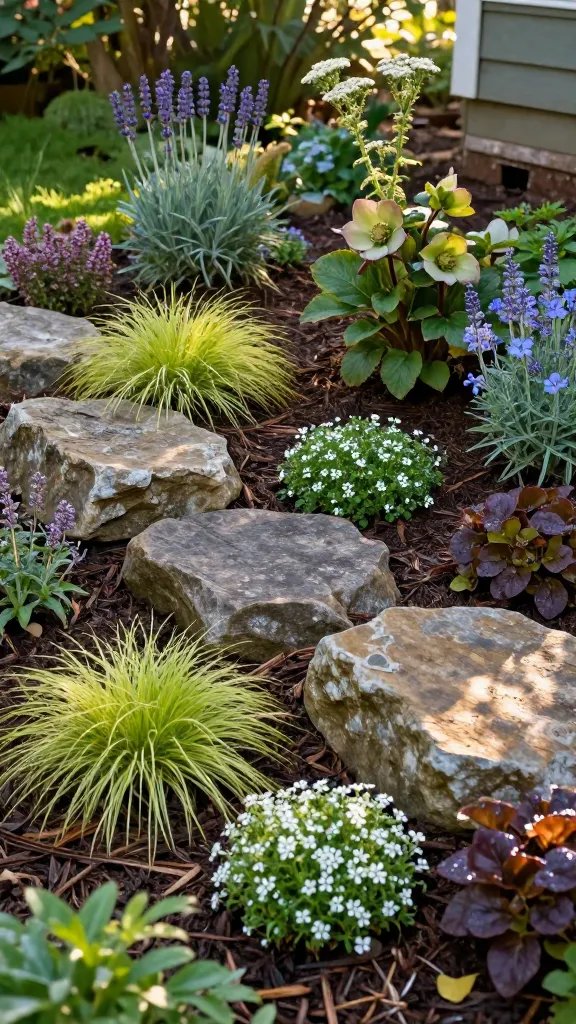
Stones love plant friends. Create little planting pockets in mulch around rocks so ferns, hostas, and coral bells peek through like a mini forest.
Plant Picks
- Shade: Japanese forest grass, ferns, hellebores
- Sun: Lavender, yarrow, catmint
- Fillers: Creeping thyme, ajuga, sweet woodruff
This softens hard materials and keeps watering easy. It’s perfect for foundation beds and woodland edges where you want texture over flowers-only drama.
11. Create a Two-Tier Slope With Stone Steps and Mulch Terraces
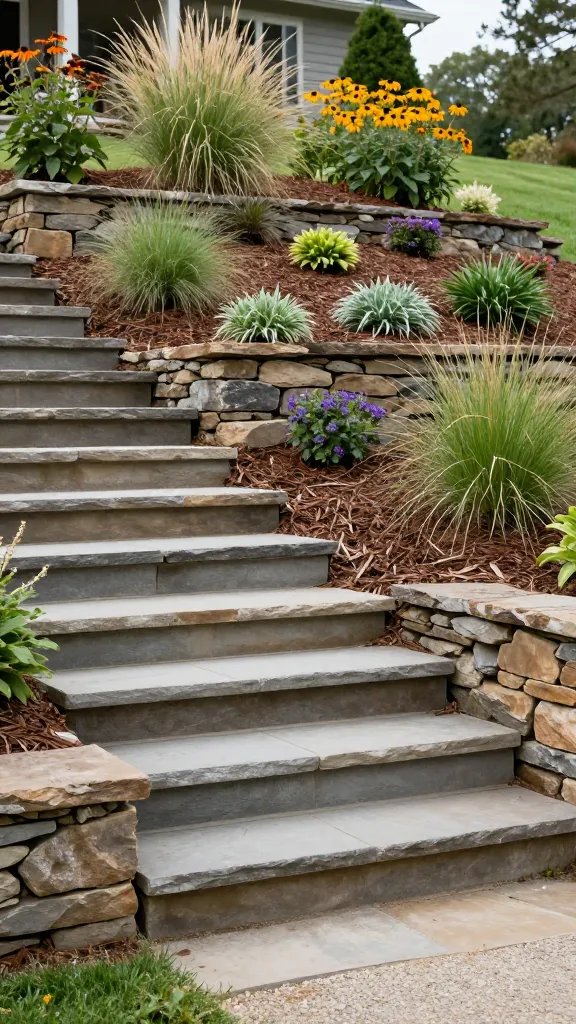
Got a tricky slope? Turn it into a showpiece. Stone steps carve a stable route, while mulch terraces keep soil where it belongs.
Build Notes
- Use large, flat stones for steps with 6–7 inch risers.
- Backfill terraces with compacted soil, then top with mulch.
- Plant deep-rooted natives to hold everything in place.
This boosts safety and curb appeal in one go. Use it on side yards and hills where erosion tries to steal the spotlight.
12. Make a Statement Entry With Stone Columns and Mulch Beds
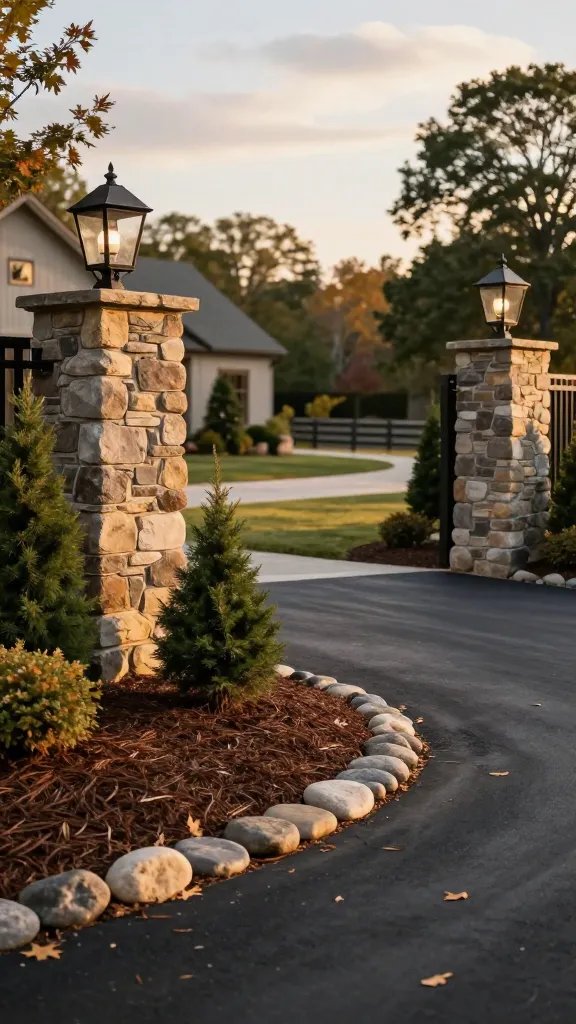
First impressions count, and nothing says “welcome to the good life” like chunky stone columns flanked by rich mulch beds. The combo feels timeless and grounded.
Design Details
- Stack stone or use prefab stone sleeves over 4×4 posts.
- Line the entry with low evergreens in mulch for year-round structure.
- Add a ribbon of river rock at the bed edge for a crisp finish.
This frames your driveway or front walk like a postcard. It’s a high-impact move that still reads warm and rustic—seriously, neighbors will ask for your contractor.
Ready to roll? Pick two or three ideas that match your space and get your hands dirty this weekend. With a few well-placed stones and the right mulch, you’ll score that rustic, welcoming vibe that looks effortless—because you’re sneaky like that.