Viral Yard Glow: 10 Diy Rustic Landscaping Ideas Anyone Can Do
Want that cozy, cabin-in-the-woods vibe without moving to, well, the woods? These rustic landscaping ideas bring warmth, charm, and a little country swagger to any yard. Most need simple tools, thrifted finds, and a free afternoon. Ready to make the neighbors casually “walk their dog” past your house more often?
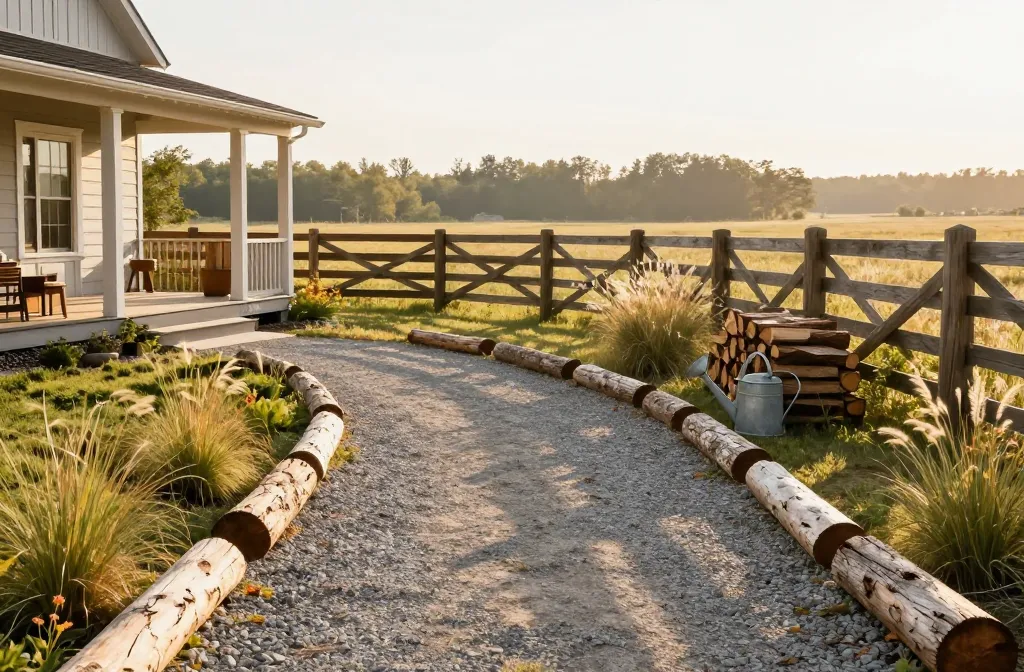
1. Frame Your Walkway With Salvaged Logs
Tired of snacking when you’re not even hungry? This reset helps you stop the loop and feel back in control.
A simple reset for moments when cravings take over. Easy to use, easy to repeat, and designed to help you feel satisfied instead of stuck.
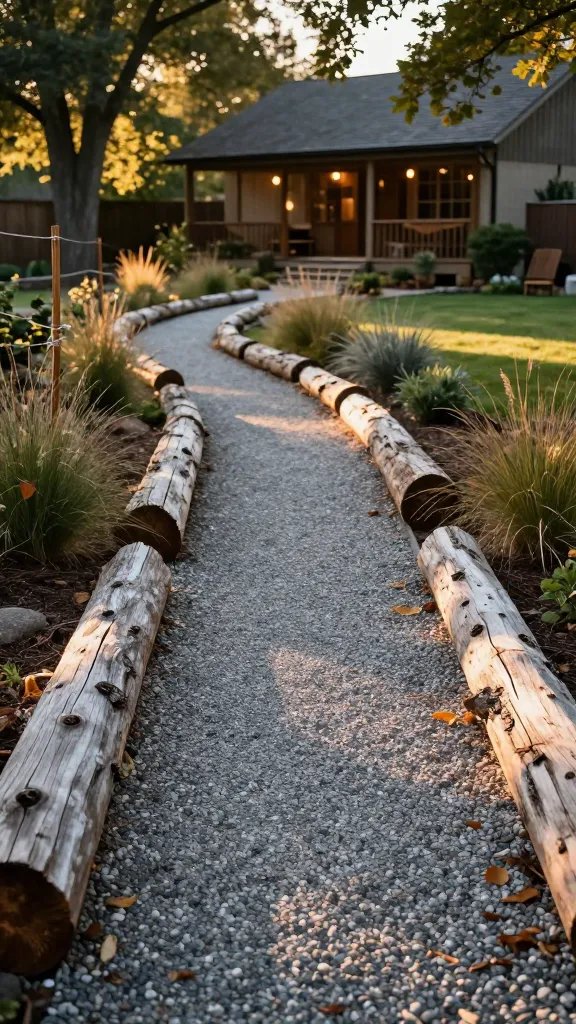
Nothing says rustic like weathered logs guiding you to the front door. They add texture, define paths, and make even a basic walkway look intentional. Plus, you can source them cheap or free from storm fall or tree-trimming services.
Materials
- Evenly sized logs (4–8 inches diameter)
- Landscape fabric
- Gravel or decomposed granite
- Stakes and twine
Lay landscape fabric to block weeds, then set logs along the edges like mini guardrails. Fill the path with gravel or decomposed granite and tamp it down. For curves, cut logs into shorter sections for smoother lines. This creates a durable, mud-free walkway that looks straight off a woodland trail.
Use this along entries, garden paths, or to connect patio zones for a natural flow.
2. Build A Crisscross Split-Rail Fence
Transform Your Home With 7,250+ Stunning Landscaping Designs—No Expensive Designers Needed!
- 🌿 Access 7,250+ stunning landscaping designs.
- 💰 Save thousands—no pro designer needed.
- 🏡 Plans for gardens, patios, walkways, and more.
- ✨ Simple, beginner-friendly DIY layouts.
- 🛠️ Customize any design to fit your yard.
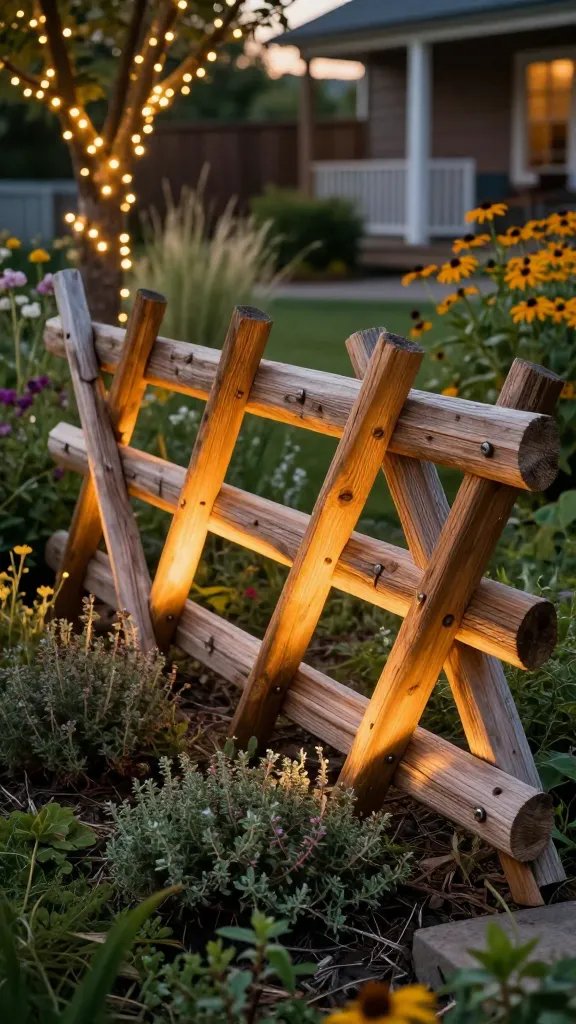
A rustic fence does more than mark boundaries—it sets the tone. A simple zigzag split-rail design looks artisanal, ages beautifully, and doesn’t need concrete footers. It’s forgiving if your ground isn’t perfectly level—win.
Quick Tips
- Space rails in a zigzag for stability—no posts needed.
- Use cedar or pressure-treated rails for longevity.
- Plant thyme or creeping sedum at the base to soften edges.
Lay rails in alternating angles, stacking two to three rails high. Secure intersections with outdoor screws if you get heavy winds. You’ll get instant character without the formal vibe of pickets.
Great for front yards, cottage gardens, or creating a low-maintenance “ranch” look.
3. Create A Whiskey Barrel Planter Cluster
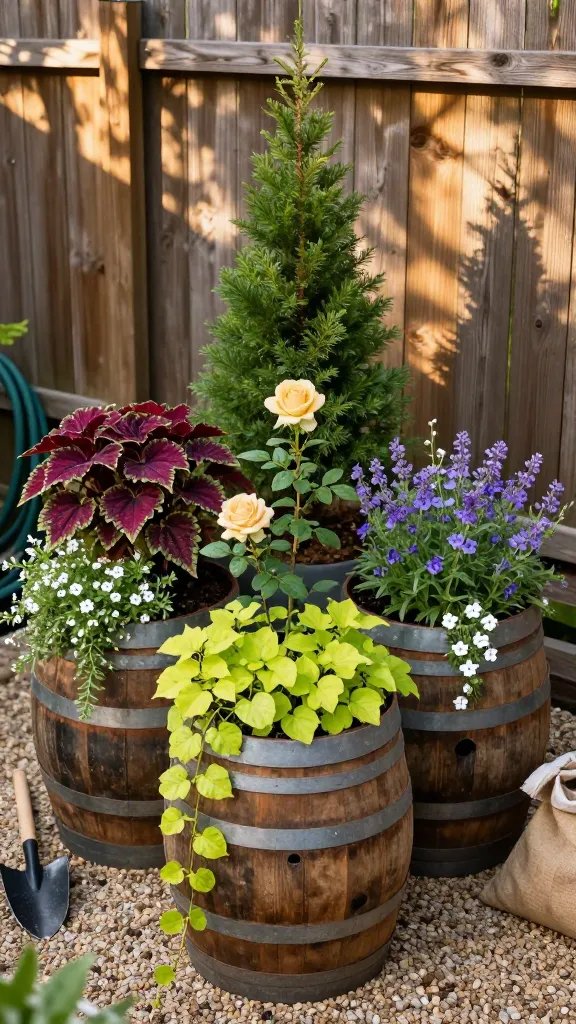
Half whiskey barrels scream rustic charm and handle tough weather like champs. Use them for layered plantings that change with the seasons. Bonus: they’re friendlier on your back than in-ground beds.
Planting Formula
- Thriller: Dwarf evergreen, ornamental grass, or a small trellis rose
- Filler: Heuchera, lavender, dwarf hydrangea, or coleus
- Spiller: Sweet potato vine, creeping jenny, ivy, or bacopa
Drill drainage holes, add potting mix, and follow the thriller–filler–spiller formula. Group in threes at varying heights for a designer look. Replace fillers seasonally—pansies in spring, petunias in summer, mums in fall—so it always looks fresh.
Perfect for porches, patios, or flanking steps for a welcoming entry.
4. Edge Beds With Reclaimed Brick Or Cobblestone
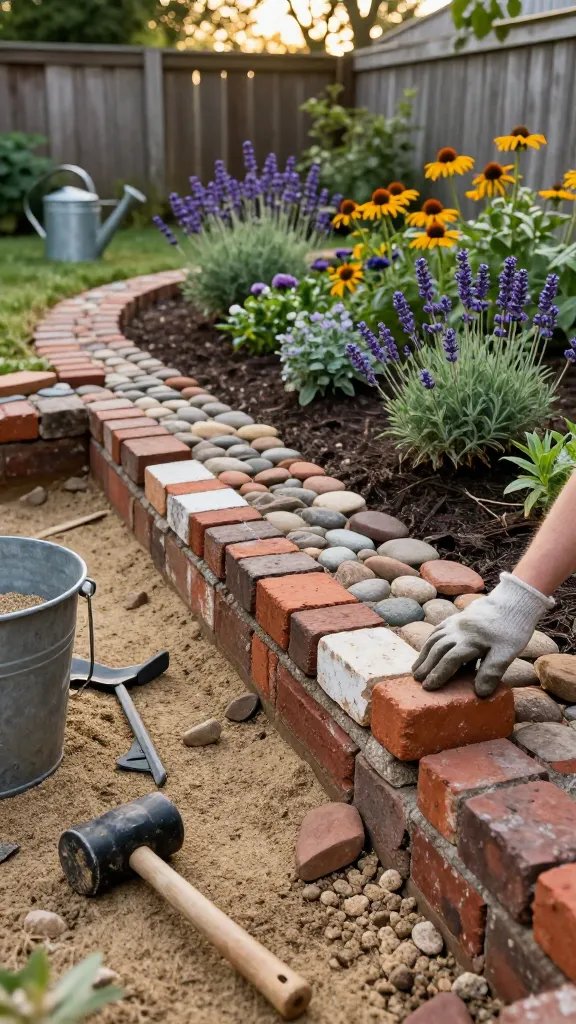
Neat edges make everything look intentional, and old brick ups the rustic factor fast. The slightly imperfect lines feel cozy, not stiff. If you love a vintage garden, this is your move.
How-To
- Dig a shallow trench (about 4 inches deep).
- Lay paver base and compact it with a hand tamper.
- Set bricks on edge or flat; tap into place with a rubber mallet.
- Brush sand into gaps to lock it in.
Mix brick tones for that collected-over-time vibe. Keep curves soft; rustic means relaxed, not ruler-straight. FYI: This also reduces mulch creep and mowing headaches.
Use it around flower beds, trees, or vegetable patches for tidy, timeless borders.
5. Stack A Stone Fire Ring For S’mores Nights
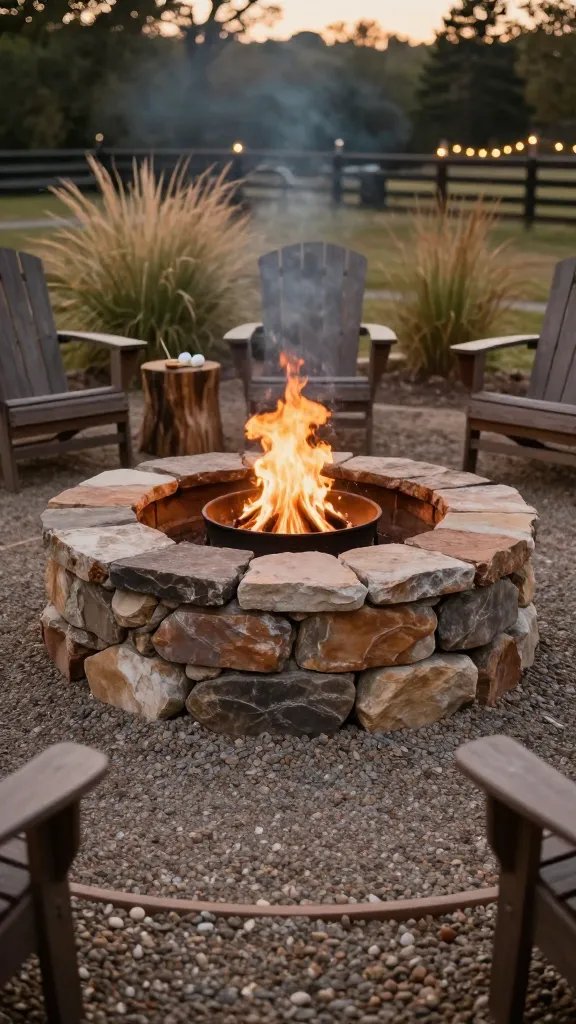
A backyard fire ring turns cool evenings into hangout central. Stacked natural stone looks gorgeous and feels at home in any rustic yard. You can build it in an afternoon—seriously.
Safety First
- Choose a flat, open spot, 10+ feet from structures.
- Dig a shallow circle and add a gravel base.
- Stack fire-rated stones in two to three courses.
- Add a steel fire ring insert for longevity.
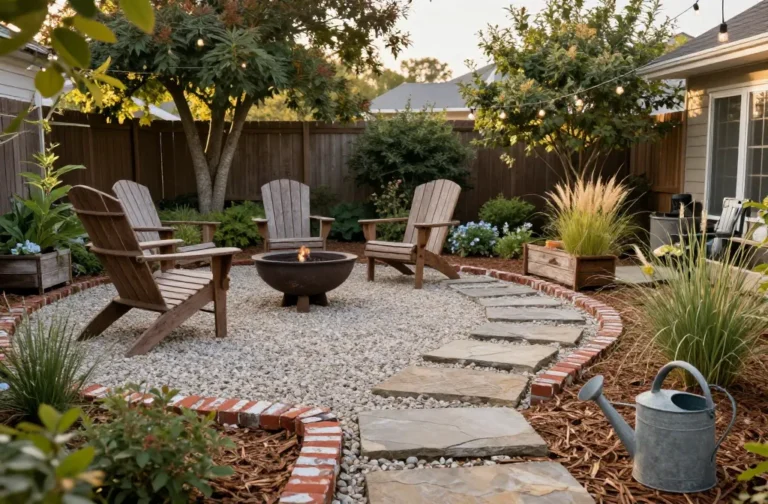
Keep the stones irregular for that unpolished, cabin vibe. Surround with pea gravel or decomposed granite for a low-maintenance seating area. Add log stools or Adirondack chairs and you’ve got your new favorite spot.
Ideal for weekend gatherings, backyard camping, and a seriously cozy focal point.

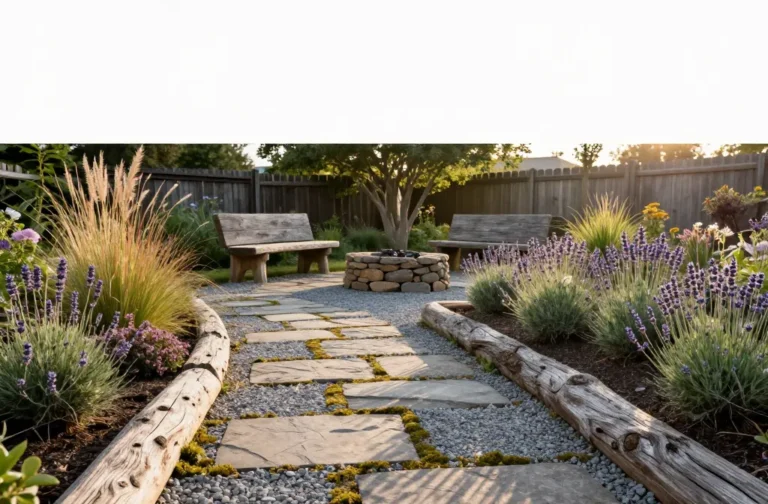
6. Lay A Gravel Patio With Flagstone Steppers
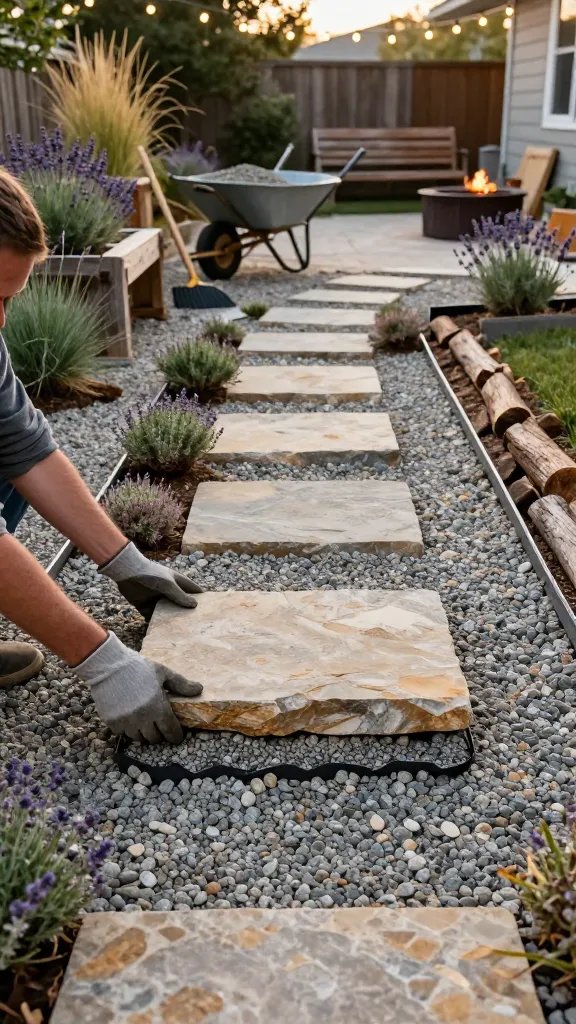
Want a patio without the concrete commitment? A gravel base with large flagstone pavers feels organic and drains well. It’s friendly on budgets and easy to refresh.
Materials
- Weed barrier fabric
- Crushed gravel base + pea gravel top
- Large flagstone or slate (18–24 inches)
- Steel edging or natural logs
Excavate a few inches, lay fabric, then add and compact gravel. Set flagstones as “stepping islands” and fill gaps with pea gravel or creeping thyme. Sweep often the first week to keep it neat.
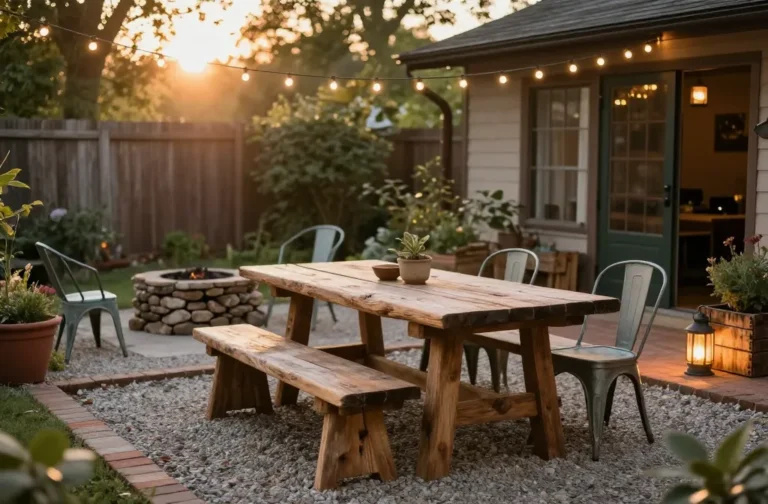
Use this for dining areas, fire pits, or bistro nooks under string lights for instant ambiance.
7. Make A Rustic Potting Bench From Pallets
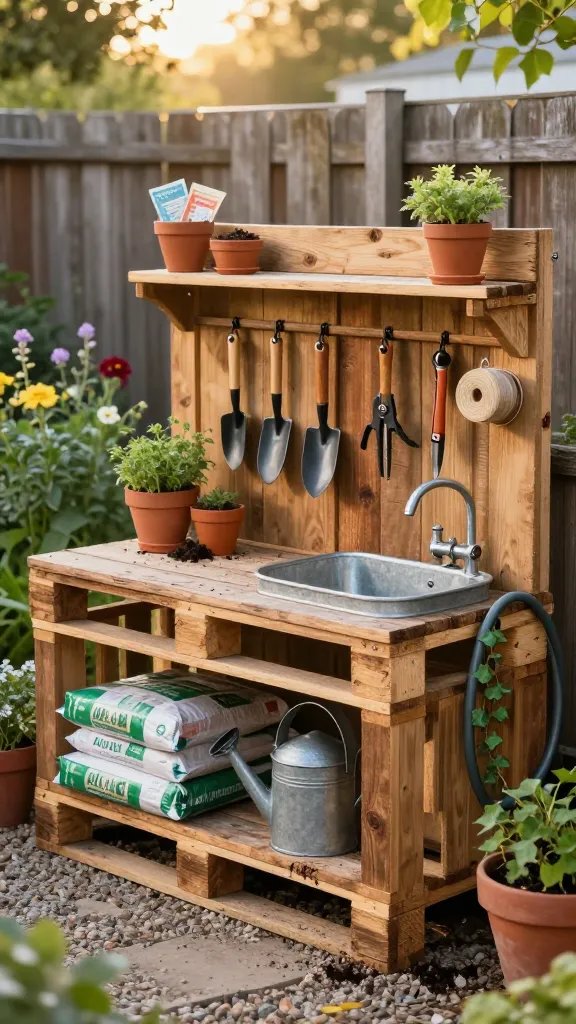
Every garden hero needs a command center. A pallet potting bench looks charmingly imperfect and gives you a place to repot, store tools, and pretend you’re starring in a home reno show.
Build Basics
- Two sturdy pallets + scrap 2x4s
- Deck screws, exterior stain, and hooks
- Galvanized tub or old sink (optional)
Stand one pallet vertically for the back, use the other for the counter, and brace with 2x4s. Add a shelf below for soil and a narrow shelf above for small pots. Stain it a warm brown and hang tools on S-hooks for easy reach.
Great for patios, side yards, or greenhouses—and it doubles as a rustic drink station during parties. IMO, that’s essential.
8. Create A Wildflower Strip With A Split-Log Border
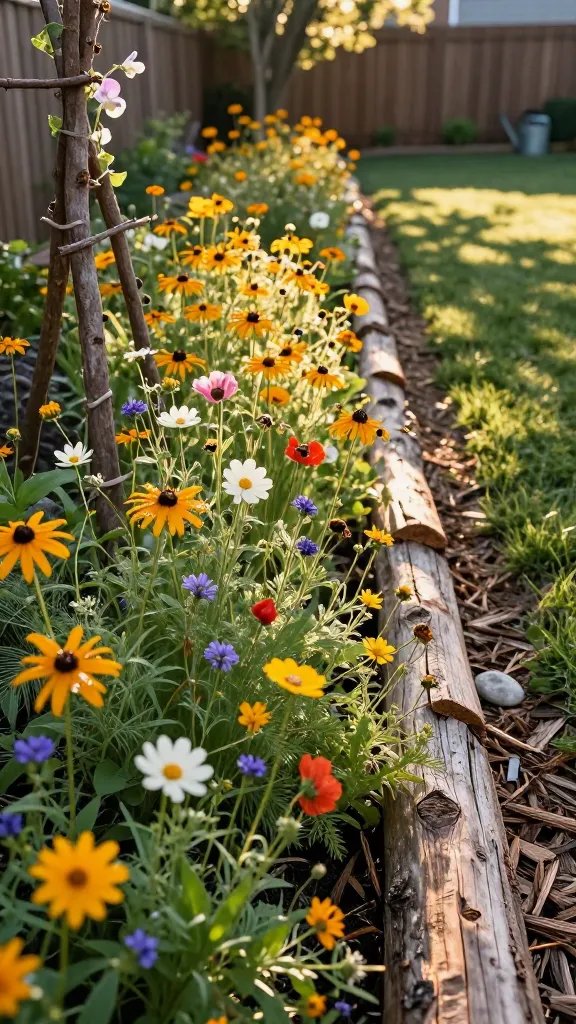
Wildflowers bring color, pollinators, and that I-woke-up-like-this garden look. Framed with split logs, the whole bed looks curated instead of chaotic. Low effort, high charm.
Planting Steps
- Pick a sunny strip (6+ hours of light).
- Remove grass or smother with cardboard + mulch.
- Sow a regional wildflower mix in spring or fall.
- Water lightly until established; then let rain do its thing.
Use split logs or rough-cut boards to edge the bed and keep seeds corralled. Add a simple twig trellis for climbing sweet peas or black-eyed Susan vine. You get waves of blooms that change throughout the season—zero fuss, maximum wow.
Perfect along fences, driveways, and the back edge of your property.
9. Turn Crates And Cribbing Into Tiered Herb Gardens
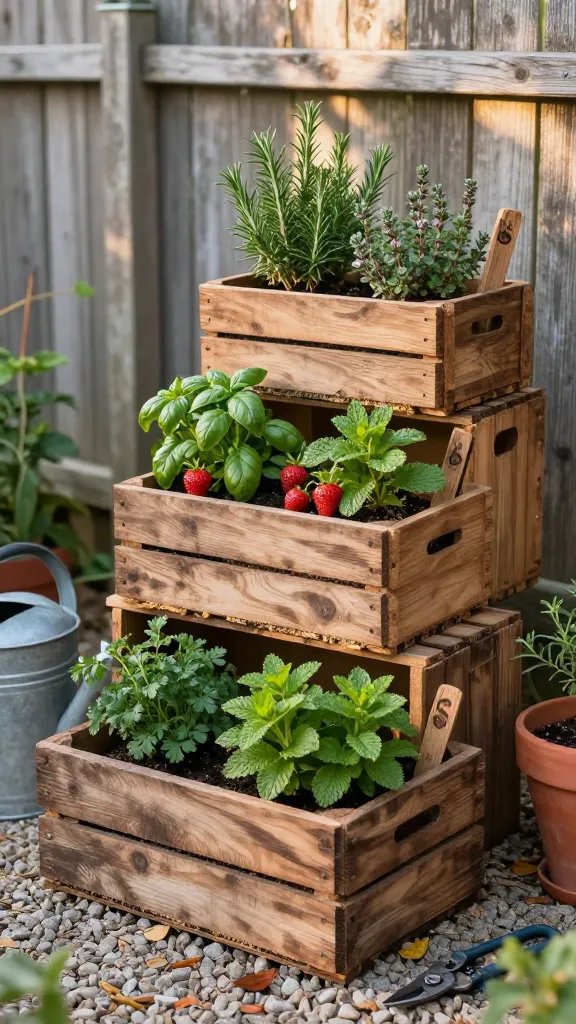
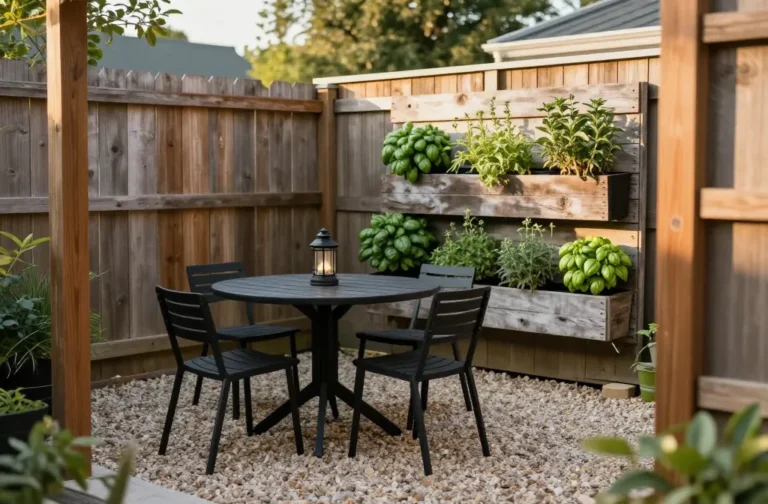
Tiered planters add height and make small spaces work harder. Wood crates, old fruit boxes, or leftover cribbing stack into a rustic herb or strawberry tower with loads of personality.
Assembly Tips
- Line crates with landscape fabric to hold soil.
- Stack offset for stability and screw together.
- Plant sun lovers on top (rosemary, thyme) and moisture lovers below (mint, parsley).
Stain or leave the wood raw to weather naturally. Add slate labels or wood-burned markers for that farm-stand look. Harvesting feels fancy, even if you’re in flip-flops.
Use near kitchens or grills for quick snips while cooking—fresh pesto on demand, anyone?
10. Build A Dry Creek Bed That Actually Manages Rain
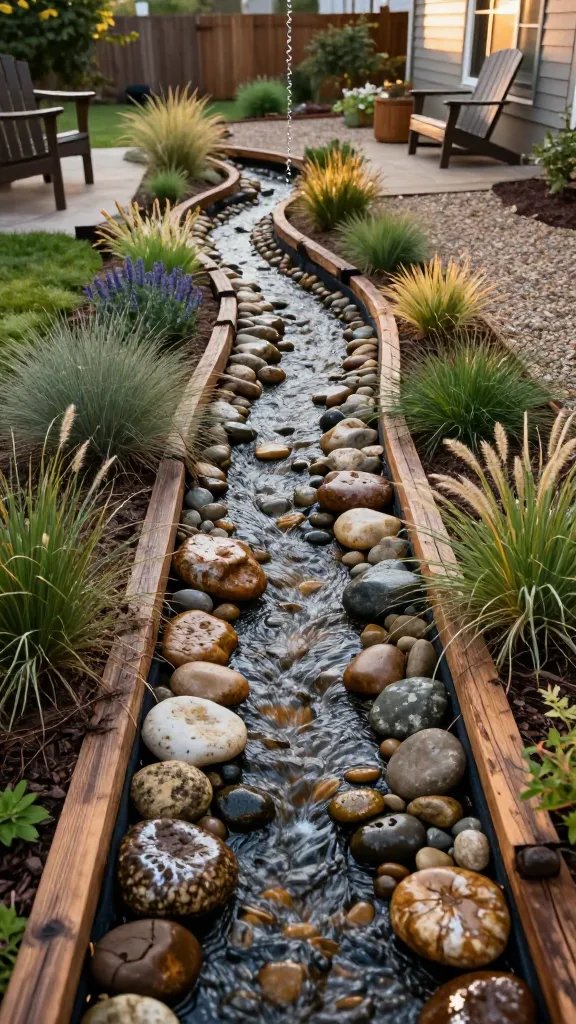
Beauty that solves a problem? Yes, please. A dry creek bed looks like a natural stream and channels runoff away from patios and foundations. It’s functional landscaping disguised as art.
How To Shape It
- Map a curving path from high to low ground.
- Dig a shallow trench, wider in the middle, narrower at ends.
- Line with fabric, add river rock, then accent with boulders.
- Plant drought-tolerant grasses and sedges along the edges.
Vary stone sizes so it looks organic, not like you dumped a bag of rocks and called it a day. Add a small bridge or stepping stones for extra charm. Trust me, you’ll watch rainstorms like they’re your new favorite show.
Great for sloped yards, soggy spots, or adding a natural focal line through a garden.
Ready to get your hands dirty? Pick one project, start small, and let the rustic magic snowball from there. Your yard’s about to feel like a weekend getaway—except you get to keep your own bed. Seriously, you’ve got this.